Lights Half Up, Volume Down: What a Calmer African Film Night Could Look Like in Cambridge
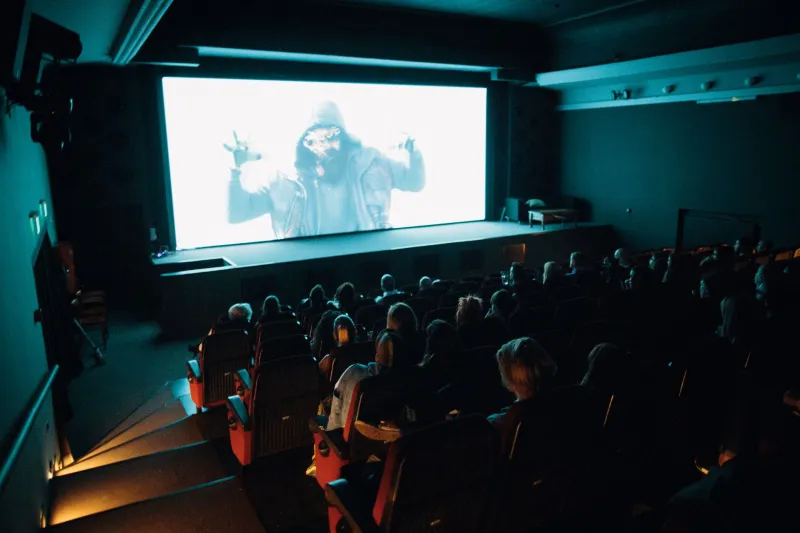
Cinema has a lot of unwritten rules. Sit still. Stay quiet. Laugh at the right moment, not the wrong one. Don't get up halfway through unless it's an emergency. For plenty of people, those rules are part of the pleasure — a shared contract that makes the dark room feel special. For plenty of others, they are the reason the front door never gets opened.
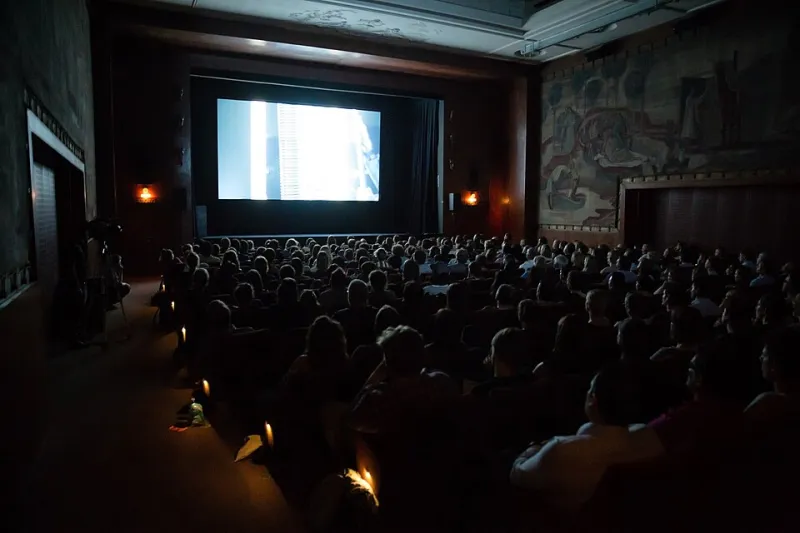
A sensory-friendly screening starts from a different premise. Instead of asking the audience to fit the room, it asks the room to fit the audience. Lights stay a little higher. Sound comes down a notch. People can move, fidget, step out and come back. Nobody minds. The film is still the film. The story still lands. What changes is the pressure around it.
For Cambridge's African film calendar, that is not a side project. It is a practical way to widen the door.
Why this format suits African cinema
African films are not a single thing. They are noisy and quiet, intimate and epic, documentary and fantastical. That range is exactly why a relaxed slot belongs in the programme. This is not about finding 'gentle' African films or sanding down the edges. It is about giving audiences a calmer frame in which to meet bold work.
Many African films use sound as a lead character: highlife and mbalax on the soundtrack, market chatter, rain on a tin roof, a crowd scene that swells until the room feels full. Those textures are a large part of the pleasure. In a relaxed screening, the volume can come down without the soundscape being lost. Dialogue stays clear. Music still wraps around the room. The mix is adjusted for comfort, not for blandness.
Visual language matters too. Strong colour, rapid cuts, on-screen text, subtitles and documentary footage can all be more accessible when the room is not pitch black and the sound is not at full cinema volume. For neurodivergent viewers, families with young children, people with hearing aids or tinnitus, and anyone who has simply never felt at home in a traditional screening, that adjustment can be the difference between staying for ten minutes and staying for the whole film.
What 'relaxed' actually means
A relaxed or sensory-friendly screening is not a free-for-all. It is a carefully designed room. In practice, that usually means a few clear changes:
- House lights kept at a low glow rather than full darkness, so people can find their seats, read notes and leave without stumbling.
- Volume capped at a comfortable level, with a sound check before doors open and a contact number for anyone who needs the mix adjusted.
- Doors left open for late arrivals and early exits, with ushers briefed to help rather than police.
- Flexible seating, including aisle seats, extra legroom and space for wheelchairs, buggies and fidget toys.
- A chill-out space nearby — a quiet corner or foyer area with water, seating and someone on hand.
- Clear content notes shared in advance: not a spoiler-heavy synopsis, but a heads-up about flashing images, sudden loud noises, depictions of violence, smoke, or anything else that might catch an audience off guard.
- Captions or subtitles where available, and a printed programme with large, plain text.
None of this dilutes the film. It simply tells the audience what to expect and trusts them to decide what they need.
The trust part is the hard part
A relaxed screening only works if people believe the invitation is genuine. That means not hiding the adjustments in a footnote or announcing them on the day as if they are a favour. It means putting the information where people actually look: on the event page, in the listing, in the pre-screening email, on the door.
It also means listening. Cambridge has a strong network of neurodivergent-led groups, parent carers, disability advocates and access-minded cinema-goers. A festival does not need to invent this expertise from scratch. It can ask. A short consultation with local organisations, a feedback form after the first pilot, and a named contact for access questions would do more than a glossy accessibility statement ever could.
There is a useful principle here: no surprises. If the house lights will be at twenty per cent, say so. If the film includes a scene with a sudden gunshot, flag it. If the venue has a noisy hand dryer in the loos, mention it. Small details build big trust.
Where it fits in the Cambridge calendar
A relaxed African film screening does not need to be a separate, sidelined event. It can sit inside the main programme as a clearly labelled strand: one afternoon slot, one family-friendly title, one repeat screening of a festival highlight. Weekend matinees are an obvious starting point, but early evenings can work too for people who find late nights difficult.
Venue choice matters. A screen with step-free access, accessible toilets, quiet foyer space and good public transport links makes the whole experience easier. So does clear information about parking, bus routes and walking distances. Cambridge is a small city, but 'small' does not always mean 'easy' for people with mobility needs, sensory sensitivities or young children in tow.
Pricing can help as well. A companion ticket scheme, a pay-what-you-can tier for the relaxed slot, or a family ticket that does not punish people for bringing an extra carer all send the same message: we have thought about who is in the room.
Start with one room, not a whole season
The temptation is to wait until everything is perfect. Better to pilot one screening and learn from it. Pick a film with a strong story and a clear content note. Brief the front-of-house team. Put the adjustments in plain language. Ask people what worked and what did not.
The first relaxed African film night in Cambridge will not be the final word on access. It will be a start — and a signal that the festival is serious about who gets to sit in the dark, or the half-dark, and watch a story unfold. African cinema has always been about making room for voices that have been pushed to the edges. The audience deserves the same care.