The Interval on Legs: A Walking Route Between Cambridge’s African Film Venues
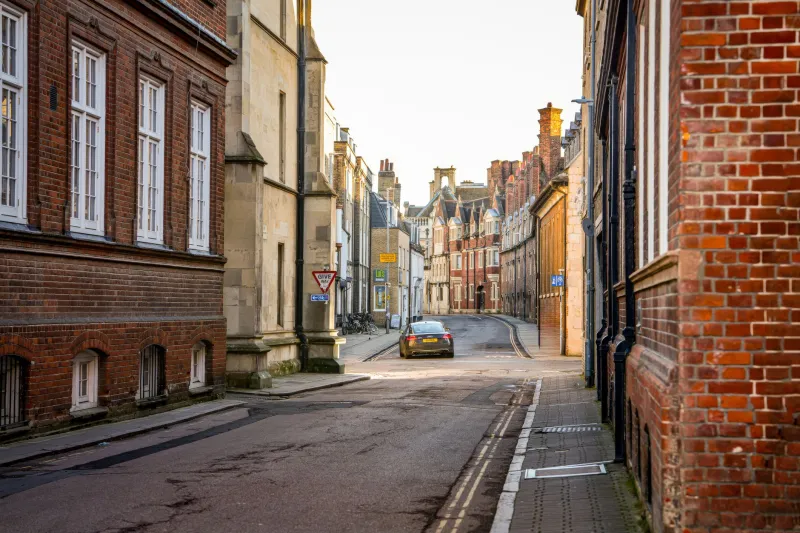
Cambridge is a walking city. Most people already cross it on foot between lectures, pubs and shops. Yet film festival calendars often treat venues as isolated islands. You see a film at the Arts Picturehouse, then another at The Junction, and the gap between them becomes dead time. What if that gap was part of the programme? A trail, not a timetable. This article proposes a loose walking route linking venues that have hosted or could host African cinema in Cambridge. It is not a prescribed march. It is a way to make a festival feel like a city-wide event, especially for first-time attendees and visitors from elsewhere in the UK.
Why Walk Between Films?
The case is simple. African cinema often rewards conversation. A Q&A ends, the lights come up, and the best discussions happen in the foyer or on the pavement outside. If you are driving between venues, that conversation gets cut. If you are walking, it continues. Cambridge’s compact centre makes this possible. A 20-minute walk between screens is not a chore; it is an interval with legroom.
Walking also helps visitors. Cambridge’s cinema venues are spread out enough to confuse someone who does not know the city. A clear route, with landmarks, makes the festival less intimidating. You do not need to know the bus network. You just need shoes.
The Route, Stop by Stop
This is a suggested core trail, not a rigid schedule. Times are walking estimates, not promises. Check each venue’s listings and leave buffer.
Stop 1: Cambridge Arts Picturehouse, St Andrew’s Street
Start central. The Picturehouse is easy to find and a natural anchor for a festival. It is also close to bus stops and the Grand Arcade for anyone arriving from the station. If your first film is here, arrive early. The downstairs bar is a good place to read the programme.
Walk to Stop 2: about 20–25 minutes via Parker’s Piece and Hills Road. Head south past the Catholic church, cross into Parker’s Piece, and follow the path towards Hills Road. It is a pleasant walk in daylight, and a brisk one after dark.
Stop 2: The Junction, Clifton Road
The Junction has the scale for bigger screenings and the foyer space for people to linger. If there is a gap between films, this is a good place to eat something nearby. There are cafés and takeaways along Cherry Hinton Road.
Walk to Stop 3: about 20 minutes via East Road. Head north-west along Clifton Road, then cut across to East Road. It is not the prettiest stretch, but it is direct. In winter, this is the part where you will be glad of a coat.
Stop 3: Anglia Ruskin’s Mumford Theatre, East Road
The Mumford is a useful mid-size venue with a campus feel. It is also close to the city centre without being in the thick of it. If the festival is running a panel or a workshop, this is a sensible stop.
Walk to Stop 4: about 12–15 minutes to Mill Road. Cross East Road and head down Mill Road. This is where the trail becomes a pub crawl if you let it.
Stop 4: Mill Road
Mill Road is not a single cinema. It is a stretch of pubs, cafés and community spaces that could host smaller screenings or post-film conversations. The point of ending here is to make the festival spill into the neighbourhood. A film about food or family hits differently when you can walk straight into a lively street and keep talking.
Making the Walk Work in Winter
Cambridge in November is not a walking city by accident. It is a walking city by layers. The trail should work in the cold, which means three things: shorter hops, indoor waiting points and no shame in taking the bus for one leg. If the weather turns, skip the scenic route and use the direct path. The trail is a tool, not a test.
It also helps to publish the route as a simple map with timings and landmarks. Not everyone wants to follow a group. Some people will do one leg; others will do the whole thing. A festival can offer both.
Keeping the Conversation Alive
The best stopping points are not always the venues. They are the benches, the pub tables, the takeaway queues. A trail gives people permission to linger. It also gives first-time attendees a way to recognise each other. If you see someone walking between the same two screenings, you have already got something to talk about.
For UK visitors, this is a chance to see Cambridge as more than a day trip. You can arrive for an afternoon film, walk the trail, and end up at a Mill Road pub arguing about the ending. That is a festival experience, not just a screening.
A Trail, Not a Rule
The point is not to make every attendee walk. The point is to make the city part of the festival. Cambridge African Film Festival can publish the route, mark it on the website, and let people choose their own pace. Some will drive. Some will cycle. Some will walk one leg and get the bus back. All of that is fine.
But if even a handful of people walk from one screening to the next, the festival changes. It becomes a route through the city rather than a list of rooms. The interval gets legs. And the conversation gets a chance to carry on.