Five African Film Scores That Belong on a Cambridge Stage
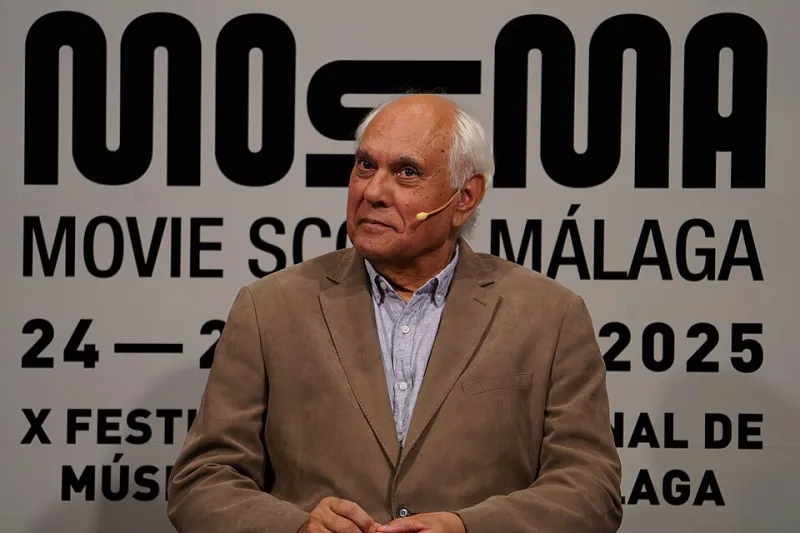
Photo: Pedro J Pacheco, CC BY-SA 4.0, via Wikimedia Commons
Film music has a strange afterlife. It can be ignored in the cinema, then follow you home. It can turn a chase scene into a memory. It can make a landscape feel like a character. And sometimes it can escape the film entirely, filling a concert hall or a club night with sounds that were originally written for a story on screen.
African cinema has produced plenty of scores that deserve that escape. Not all of them are available on vinyl, and not all of them are easy to find in the UK, but they are worth seeking out. Here are five African film soundtracks, from classic cinema to contemporary work, that could hold their own in Cambridge.
Why film music deserves a concert hall
Cambridge is a city with a serious appetite for live music. West Road Concert Hall, the Corn Exchange and Cambridge Junction all host very different kinds of performance, but they share one thing: they know how to make a room listen. Film scores belong in that ecosystem. They are not just background music. They are compositions with structure, mood and personality.
Bringing African film music into Cambridge venues would also be a way of extending the festival beyond the screening room. A concert is not a Q&A. It is not a panel. It is a different kind of cultural exchange, one that lets audiences feel the music rather than analyse it.
1. Xala (1975) — Manu Dibango
Manu Dibango's score for Ousmane Sembène's Xala is a masterclass in musical satire. The film is a sharp, funny and angry story about corruption and masculinity in post-independence Senegal, and the music matches its tone: loose, sly, and full of saxophone. Dibango was already a giant of African music, and his work here is playful without being lightweight.
Why it belongs in Cambridge: this is music built for a crowd. A club night at Cambridge Junction or a late-night Corn Exchange set could let the groove breathe, especially if paired with a screening. The score is also a reminder that African cinema has always been in conversation with popular music, not separated from it.
UK availability: Xala has circulated on DVD and specialist streaming platforms, and the soundtrack is worth hunting down through independent record shops and online second-hand sellers. Check BFI Player and specialist African cinema distributors before assuming it is unavailable.
2. Timbuktu (2014) — Amine Bouhafa
Abderrahmane Sissako's Timbuktu is a film of quiet resistance, and Amine Bouhafa's score is central to that quietness. The music does not shout. It drifts, circles and settles. There are moments of beauty that feel almost unbearable because of what is happening on screen, and the score knows how to hold that tension without explaining it.
Why it belongs in Cambridge: this is the kind of score that would suit West Road Concert Hall. It has space in it. A small ensemble, strings and voice could make the room feel enormous. It is also a strong companion piece to a festival screening, because it shows how African cinema can be formally restrained and emotionally powerful at the same time.
UK availability: Timbuktu has been available on UK streaming platforms and DVD, and the soundtrack can be found through major digital music services. It is one of the more accessible entry points on this list.
3. Atlantics (2019) — Fatima Al Qadiri
Mati Diop's Atlantics is a ghost story, a love story and a critique of labour and migration. Fatima Al Qadiri's score is all shimmer and unease. It uses synths and drones to create a sound world that feels modern and haunted, as if the film's spirits have found their way into the machinery.
Why it belongs in Cambridge: this is club music for the cinema, or cinema music for a club. A late-night screening at Cambridge Junction with a live electronic set could be extraordinary. The score also speaks to a younger festival audience that might not come to a traditional orchestral concert but would happily stand in a dark room listening to Al Qadiri's textures.
UK availability: Atlantics is a Netflix film, which makes it easy to find in the UK, and the soundtrack is available on major streaming services. It is the most readily available score on this list.
4. Tsotsi (2005) — Mark Kilian and Paul Hepker
Gavin Hood's Tsotsi is a tough, propulsive film set in Johannesburg, and its score has a similar energy. Mark Kilian and Paul Hepker built a soundtrack that blends orchestral writing with kwaito and electronic elements, matching the film's movement between violence and tenderness.
Why it belongs in Cambridge: this is a score that could work in a concert hall or a cinema with a live band. It has rhythm and drama, and it would suit a festival event that wants to bring in audiences who love film but do not usually go to orchestral concerts. A double bill of Tsotsi and a live performance would be a strong programming choice.
UK availability: Tsotsi is widely available on DVD and has appeared on UK streaming services. The soundtrack is available digitally, though physical copies are more of a collector's item.
5. Moolaadé (2004) — Boncana Maïga
Ousmane Sembène's Moolaadé is a film about resistance, community and the courage of women in a rural village. Boncana Maïga's score draws on West African musical traditions without turning them into decoration. It has warmth, tension and a sense of collective voice.
Why it belongs in Cambridge: this is music for a big room and a patient audience. It would suit a concert programme that pairs African film scores with live percussion and voice, perhaps in a venue like West Road or a larger community hall. It also connects directly to the festival's interest in films that challenge assumptions about tradition and modernity.
UK availability: Moolaadé has been released on DVD and is available through specialist distributors. The soundtrack is harder to find, which is exactly why a live performance would be valuable.
From headphones to West Road
These five scores are not a definitive list. They are an argument. African film music is not a niche curiosity. It is a living body of work that deserves to be heard outside the cinema, in rooms where people can listen together.
Cambridge already has the venues and the audiences. What it needs is programmers willing to take a risk on film music that is not already familiar. A concert, a club night, a live score alongside a screening: any of these would be a welcome addition to the city's cultural calendar in 2026 and beyond.