Jollof, Coffee and Conversation: A Festival Food Map for Cambridge
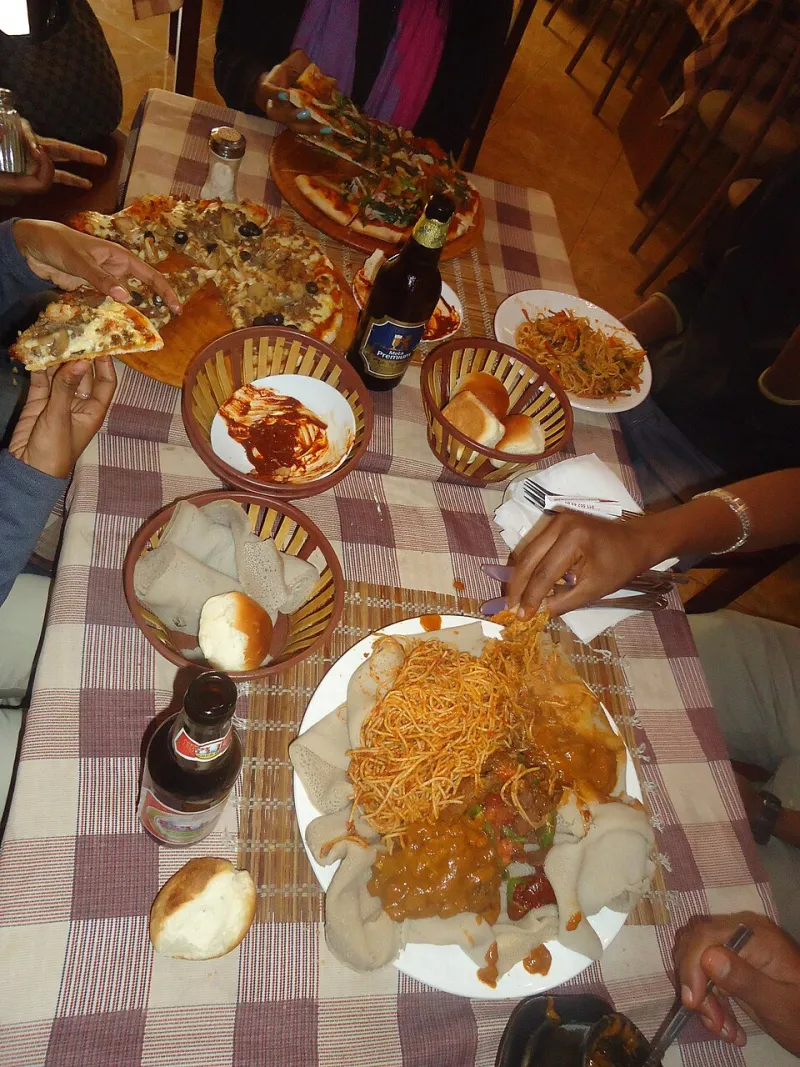
Photo: Havi Murungi, CC BY-SA 4.0, via Wikimedia Commons
Cinema is a social act. You sit in the dark with strangers, then spill out into the street with opinions you did not know you had. At Cambridge African Film Festival, that spill-out is part of the programme. The film ends, the credits roll, and suddenly everyone is hungry for food and for talk. This guide is for that gap: a practical map of Cambridge places to eat, shop and debrief, with a few prompts to keep the conversation moving.
It is not a ranking and it is not a review of every kitchen in town. Think of it as a set of starting points. Cambridge is compact enough to walk between a market stall, a casual café and a cinema screen in an afternoon. The city also has international grocers and independent kitchens that can turn a post-film chat into something closer to a shared table.
Start on Mill Road
Mill Road is Cambridge at its most useful: independent shops, international grocers, bakeries and cafes packed into a long, walkable stretch. For festival days, it is a good place to begin before an afternoon screening. Pick up plantain, Scotch bonnet peppers, ginger, groundnuts or a jar of spice mix. If you are cooking later, a bag of jollof seasoning or a tub of berbere can become the basis for a post-film meal.
Conversation prompt: what does a market scene tell you about a city? In many African films, the market is not just a backdrop. It is a meeting place, a negotiation, a site of gossip and exchange. Walking through a Cambridge food shop after watching a film can make you notice how much of a story lives in the shopping bag.
A sit-down bowl before a late screening
Cambridge has a growing number of kitchens serving African and diaspora food, from Nigerian and Ghanaian staples to Ethiopian, Moroccan and Somali dishes. Menus vary and opening hours change, so check ahead and book if you are a group. The point is not to chase a single 'authentic' dish. It is to eat something that makes you slow down before the next film.
If you see jollof rice, ask about the heat level. If there is injera, order a shared platter and eat with your hands if the house invites it. A tagine or a slow-cooked stew is good for a cold Cambridge evening. Suya, grilled meat with a peppery spice mix, is excellent if you are eating early and want something that travels well in conversation.
Conversation prompt: who gets to eat together in the films you have seen? Think about family dinners, street food, restaurant scenes and meals that are interrupted. Food is rarely just food on screen. It is hospitality, class, memory and sometimes absence.
Coffee, cake and the post-film debrief
Not every festival conversation needs a full meal. A café near the venue can do the job: flat white, mint tea, a slice of something sweet and a table big enough for four. Cambridge has plenty of independent cafés in the city centre and around the station, and they are ideal for the twenty minutes after a screening when everyone is still deciding what they think.
Conversation prompt: which scene would you replay over coffee? Ask everyone to name one image, one line or one sound they are still carrying. It is a gentler way into criticism than asking whether they liked the film. You will often find that the disagreement is more interesting than the verdict.
The market and the festival pantry
Cambridge Market is a good pit stop for fresh produce, snacks and the kind of accidental conversation that makes a city feel smaller. If you are seeing several films across the festival, build a small pantry at home: rice, tomatoes, onions, ginger, garlic, chilli, oil and a spice blend you like. A festival is tiring in a specific way, and having something easy to cook between screenings is a kindness to yourself.
Conversation prompt: what would you cook from the film? Ask it literally. A dish mentioned in dialogue, a roadside grill, a family kitchen, a market stall. The answer does not have to be complicated. Sometimes it is just tea and bread, and that is the point.
A gentle plan for a festival Saturday
Start late morning on Mill Road. Buy fruit and something spicy for later. Walk into town and have an early lunch: a bowl of jollof, a shared injera platter, a tagine or a simple grilled wrap. Catch an afternoon screening while the city is still busy. Afterwards, take a coffee and sit with one conversation prompt rather than rushing to the next thing. If you have an evening film, eat lightly before it and leave room for a proper debrief afterwards.
Cambridge is small enough that this does not require military planning. The walk from Mill Road to the city centre is twenty minutes at a gentle pace. The bus works too. The important thing is to treat the food as part of the festival, not a delay between screenings.
Five conversation prompts to take with you
Who was allowed to speak in this film, and who was not?
What did the film do with sound, silence or music that you noticed?
Which place in the film felt most familiar to you, and why?
What would you ask the filmmaker if you had one minute?
What are you still thinking about now that the lights have come up?
You do not need to answer all of them. One good question over a shared plate is enough. That is the quiet pleasure of a festival in a city like Cambridge: the film ends, but the conversation has somewhere to go.