The Wider Circuit: Planning a UK Season of African Cinema from Cambridge
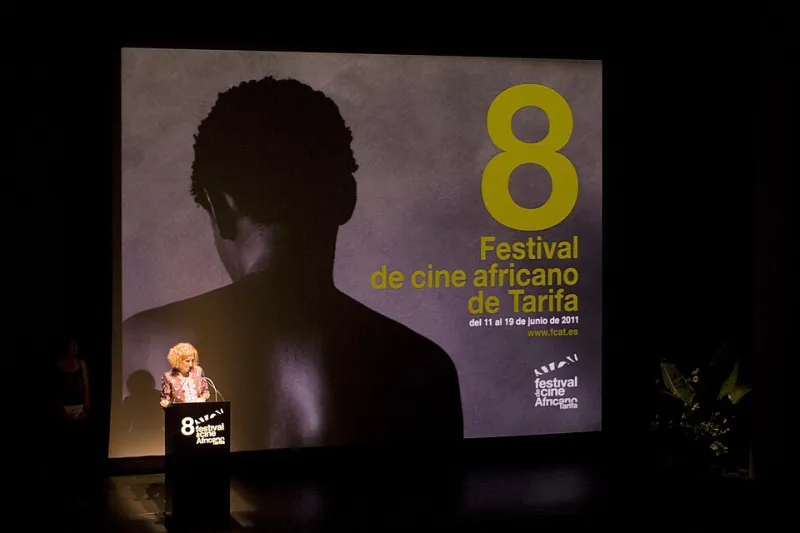
Photo: Staff FCAT, CC BY-SA 3.0, via Wikimedia Commons
Cambridge can feel like a complete film ecosystem: one screen, one queue, one post-film argument on the pavement. But the African film circuit in the UK is wider than that, and the 2026 season is a good excuse to test the edges. Think of this as a field guide, not a fixture list. Dates move, venues change, and the best programme is often the one you find two weeks out. Start with the places that consistently put African cinema on a big screen, then build a season around them.
London: the anchor point
Film Africa, run by the Royal African Society, is the obvious first trip. It usually lands in autumn and spreads across London venues rather than one building, which means you can build a day around a documentary at one cinema and a fiction feature at another. The programme tends to mix premieres, UK releases, shorts and talks, and the Q&As are often the reason to go. From Cambridge, the train to King's Cross is the easy route; book a return before you go and you have removed the main stress. If you are going for one night only, pick a gala or a documentary with a director present. If you have a day, pair a matinee with an evening screening and leave the middle free for the British Library or a walk.
Edinburgh: the slower, deeper festival
Africa in Motion in Edinburgh has a different rhythm. It is usually an autumn festival, with a strong record in emerging directors, short films and discussions, and it often tours or shares work beyond the Scottish capital. The journey is longer, so treat it as a weekend rather than a dash. The advantage is attention: you can see three or four films in two days without the London feeling of missing something. Check the programme for language and subtitle notes; AiM has long been good at presenting films in African languages without treating that as a niche. If you are a student or on a tight budget, look for free talks and matinees, and book accommodation early. Edinburgh in festival season is not cheap, but a weekday stay is usually kinder.
Bristol: the South West option
Afrika Eye in Bristol is smaller and more intimate, with a habit of putting documentaries and conversations in the same room. The Watershed is a useful anchor, but the festival uses other venues too, so read the listings rather than assuming one address. From Cambridge, the coach can be cheaper than the train, though it takes longer; the train via London is faster but rarely cheap on the day. Bristol rewards a full day: one film, one Q&A, one independent café, one walk along the harbour. It is also a good festival for people who find London overwhelming.
The smaller city circuit
Keep an eye on Leeds, Manchester, Birmingham and Glasgow. They do not always run a dedicated African film festival every year, but their cinemas and universities programme African seasons, restorations and one-off weekends. These are often the cheapest tickets and the most surprising programmes. Follow the independent cinemas as well as the festivals: Hyde Park Picture House in Leeds, Home in Manchester, mac in Birmingham and the Glasgow Film Theatre all appear in listings with African work. The trick is to set up a saved search or a newsletter folder rather than relying on memory.
How to read a programme
A festival programme is not a menu; it is an argument. Look for strands rather than individual titles. A documentary strand will tell you what the programmers think is urgent; a shorts strand will show you who is coming next; a restoration strand will tell you what the past is doing in the present. Check the running time and the language notes before you book. A 70-minute film with a 30-minute Q&A is a different night from a 150-minute epic with no break. If you are new to a festival, choose one familiar name and one complete unknown. That is the whole point of leaving the bubble.
Build a season, not a splurge
A practical plan for 2026: pick one anchor festival in the autumn, one smaller city trip in the spring, and one London day whenever the programme looks strong. Set a budget for travel before you set a budget for tickets. Sign up to the newsletters for Film Africa, Africa in Motion, Afrika Eye and your local independent cinema. Use a railcard if you travel by train more than once; book split tickets if you are going to Bristol or Edinburgh. Keep a note of the films you missed and ask Cambridge programmers about them. Festivals are not only places to watch; they are places to gather evidence for the next local season.
Bring it back
The outward trip should have a return leg. Take notes, keep the programme, and tell someone in Cambridge what you saw. The wider circuit is not a rival to the Cambridge African Film Festival; it is a supply line of ideas, titles and contacts. A season that begins in Cambridge and ends in Cambridge, via London, Edinburgh or Bristol, is not a contradiction. It is how a local audience stays curious.