The Pause Between Reels: Giving the Interval a Cambridge Comeback

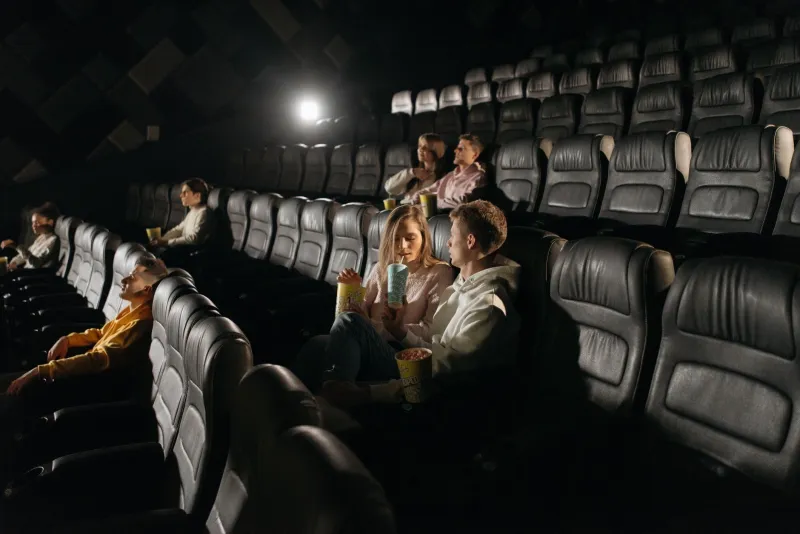
At a Saturday screening in Cambridge, the lights come up halfway through a long film and something unexpected happens: nobody rushes for the door. A few people stretch. Someone asks their neighbour what they made of the scene that just ended. The queue for tea forms slowly, and by the time the film restarts, the room feels different — not distracted, but more settled. That small pause did more than give everyone a comfort break. It changed the way the film was being watched.
Intervals have a slightly old-fashioned reputation in UK cinemas. They belong to a era of double bills, usherettes and ice-cream tubs, and in many venues they have been quietly retired. But for a festival like Cambridge African Film Festival, the interval is not a nostalgic gimmick. It is a practical, sociable and culturally useful tool. Used well, it can help audiences stay with longer films, give conversations room to breathe, and turn a screening into an event rather than a transaction.
The case for a deliberate break
The usual argument against intervals is momentum. A film builds tension, and a break risks letting it escape. That is a fair point for a tight ninety-minute thriller. It is less convincing for a three-hour epic, a documentary with a wide cast of voices, or a film that asks viewers to sit with discomfort and complexity. At some point, fatigue becomes the bigger risk. Audiences start checking the time, shifting in their seats, or quietly deciding they will look up the ending later. A planned pause is usually better than an unplanned loss of attention.
There is also the social dimension. African cinema often rewards conversation. Films may carry historical context, regional specificities, language shifts or family structures that benefit from a moment of collective processing. A short interval gives people permission to turn to a stranger and say, quietly, what they are thinking. That is not a distraction from the film. It is part of the viewing culture.
Why longer African films change the rhythm
Many African films are built around rhythms that do not always match the brisk, single-sitting model of the modern multiplex. Episodic storytelling, extended family sagas, music, ceremony and everyday life can all take time. That is not a flaw to be trimmed away. It is often the point. A film that lingers over a meal, a funeral, a market or a bus journey is asking the audience to adjust their pace.
In that context, an interval can work like a chapter break. It gives the audience a chance to absorb what has happened rather than simply waiting for the next plot beat. It also acknowledges that viewers are not machines. They have bladders, babysitters, bus timetables and brains that need a moment to catch up.
Historically, many African exhibition cultures have understood this better than the contemporary UK cinema chain. Roadshow screenings, video halls and community film nights have often been social events with built-in pauses, commentary and conversation. That is not a reason to romanticise every interruption. It is a reminder that cinema has not always demanded silent, uninterrupted stillness. Sometimes the room is part of the film.
What a good interval looks like
A good interval is not simply a gap. It is designed. Ten to fifteen minutes is usually enough for a comfort break and a short conversation without letting the room go cold. The length should be announced at the start, and ideally printed in the programme, so nobody feels ambushed. If the film is particularly long, a slightly longer break may be kinder, especially for older audiences or anyone travelling across Cambridge.
The lights should come up enough for people to move safely, but not so brightly that the room feels like a supermarket. Keep music low or choose something that fits the film rather than filling the silence. If there is a host or programmer in the room, they can offer one simple prompt before the break — a question to hold in mind — and one short reminder when everyone returns. That is usually more useful than a long speech.
Refreshments matter, but they do not need to be elaborate. A local bakery run, a flask of tea, a table of oranges and water can be enough. The point is not to turn the screening into a market. It is to make the pause feel cared for.
For venues: small changes, real returns
Cambridge venues do not need to rebuild their schedules to make intervals work. A few practical choices can help. Build the break into the advertised running time, not on top of it. Train front-of-house staff so they know when the break is coming and can manage queues. If the screening is in a smaller space, test the sound bleed and lighting before the doors open. If the film is subtitled, make sure the screen stays visible or that any restart includes a brief recap.
For festival organisers, the interval can also be a chance to platform local partners, a short film trailer, or a message from a community group. But keep it brief. The interval is not a second programme. It is a breath.
For audiences: treat the pause as part of the programme
Festivalgoers can help by treating the interval as part of the event rather than an inconvenience. Talk to the person next to you. Ask what they noticed. If you are moved, say so. If you are confused, say that too. Cambridge audiences are often polite to the point of silence, but a festival is a good place to loosen up. The best intervals are not loud. They are warm.
It is also worth resisting the urge to spend the whole break on a phone. The room will reassemble soon enough. A few minutes of actual conversation, or even just a quiet moment with the film still settling, can make the second half land differently.
The room remembers
The interval is not dead. It has just been neglected. In a festival context, it can be a small act of hospitality — a recognition that watching a film is physical, social and emotional work. Cambridge African Film Festival is built on the idea that African stories deserve screen time, but they also deserve breathing room. A well-placed pause is not a concession to short attention spans. It is a way of respecting the film, the audience and the conversation that continues after the credits.