The Main Screen Isn't a Genre: Why African Cinema Belongs in Cambridge's Headline Listings

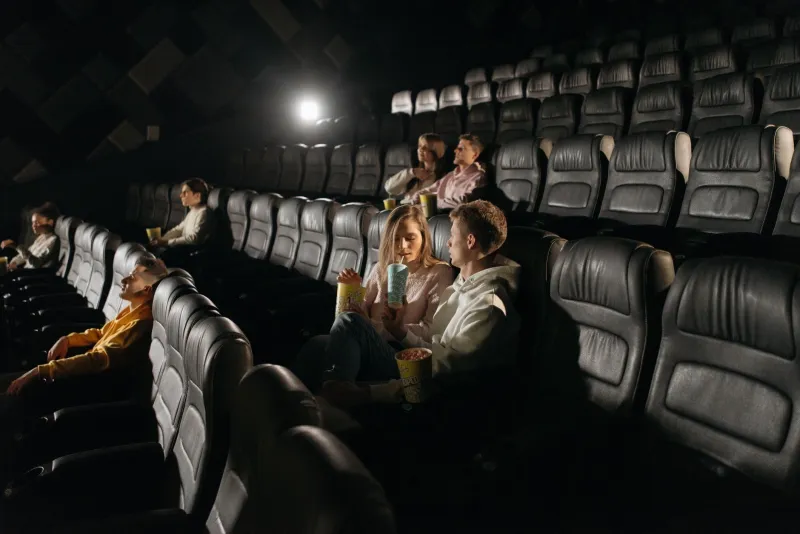
Photo: Unknown photographer, Public domain, via Wikimedia Commons
There is a particular kind of cinema listing that tells you what to expect before you have seen a frame. It sits at the bottom of the page, under a small heading marked ‘world cinema’, usually next to a photograph of a landscape and a sentence about a ‘rare window’ onto another culture. The film might be a thriller, a comedy, a family drama or a love story. It might be the best thing showing that week. But the label has already done its work: it has told you that this is something separate, something additional, something you have to be in the mood for.
That is not how African cinema should be introduced in Cambridge. African films are not a genre, and ‘world cinema’ is not a neutral shelf. It is a set of assumptions about who the default audience is and what counts as normal. If we want audiences in this city to treat African cinema as part of the main event, we need to stop marketing it as a sideshow.
A Label Is a Promise
Programming language matters because it sets expectations. When a venue lists a French comedy, a Korean thriller or an American indie, it usually leads with the thing that will make someone buy a ticket: the director, the cast, the mood, the reviews, the hook. When an African film appears, the same listings often lead with the continent. ‘A powerful African drama’ is not a genre description. It is a geography lesson standing in for a recommendation.
This is not a small point about wording. It shapes how people scan a season brochure. A film placed under ‘world cinema’ reads as homework. A film placed in the main listings, with the same confidence as the season’s headline releases, reads as a choice. Cambridge audiences are curious, but they are also busy. Most of us decide what to see in a few seconds. The frame around a film does a lot of that deciding for us.
What the Brackets Do to Audience Expectations
The phrase ‘world cinema’ has a long history, and not all of it is bad. It has helped distributors and festivals group films that might otherwise be invisible. But as a permanent home, it has become a ghetto. It implies that some films are universal and others are regional; that some stories travel without explanation and others need a label to prepare you. African cinema gets the worst of this. A Nigerian romantic comedy, a Senegalese documentary, a Kenyan genre picture and a Moroccan coming-of-age film can all end up in the same bracket, as if their only shared quality were distance from the UK.
Audiences notice. In conversations around Cambridge screenings, the same comment comes up: people are not sure whether a film is ‘for them’. That uncertainty is rarely about subtitles or subject matter. It is about the way the film has been framed. If a venue tells you a film is difficult, foreign or specialist, you believe it. If it tells you a film is funny, tense, sexy, strange or moving, you believe that too.
The Cambridge Test
Cambridge is a good place to test a different approach. We have a dense cinema calendar, a festival culture that runs across the year, and audiences who are used to crossing disciplines. The city does not need another quiet corner for African film. It needs African films in the places where people already look for the best of the week’s cinema.
That means putting an African premiere in the same slot as a headline release, not on a Sunday afternoon at the end of a season. It means including African titles in general season passes and members’ previews. It means writing listings that mention genre, tone and director before geography. It means making the trailer, the poster and the ticket page do the same work they would do for any other film. The Cambridge African Film Festival can lead on this, but the argument is wider than one festival. Venues, programmers and audiences all have a part to play.
Practical Changes for 2026 Listings
None of this requires a revolution. It requires editing. For 2026 festival and venue listings, try a few simple changes. First, drop ‘world cinema’ as the default heading. Use ‘New releases’, ‘This week’, ‘Directors’ or ‘Late screenings’ instead, and place African films inside those categories. Second, write the first line of every listing as a promise, not an apology. ‘A Lagos-set thriller about a family falling apart’ is better than ‘a compelling African film about family’. Third, programme African films in prime slots and say so. A Friday night screening is a different signal from a Tuesday matinee.
Fourth, make subtitles visible without making them a warning. Audiences in Cambridge are used to subtitled cinema. Mention the language in the same breath as the country, not as a hurdle. Fifth, build partnerships that push the film into unexpected rooms: bookshops, music venues, university societies, local restaurants. A film does not become mainstream by being listed next to the popcorn; it becomes mainstream when it is part of the conversation people are already having.
Mainstream Is a Choice, Not a Genre
The counter-argument is familiar: African cinema needs its own space because the mainstream will never give it room. That is true enough in parts of the UK distribution system, and festivals have a real role in protecting work that might otherwise vanish. But protection and separation are not the same thing. A festival can create a dedicated platform and still insist that its films belong in the main programme. In fact, the strongest festivals do both.
The goal is not to pretend that African cinema has no specific contexts, histories or pleasures. It is to stop using those contexts as a gate. Cambridge audiences do not need to be protected from African films. They need to be invited to them properly. That invitation starts with the listing, the poster and the slot. It starts with refusing to call a whole continent a niche.
So here is the ask for 2026: put African cinema in the headline listings. Not as a gesture, not as a bracket, not as a special strand that runs for one week and then disappears. Put it where the best films are supposed to go. The main screen is not a favour. It is where the conversation happens.