The 11:07 Question: African Cinema, Cambridge, and the Last Bus Home
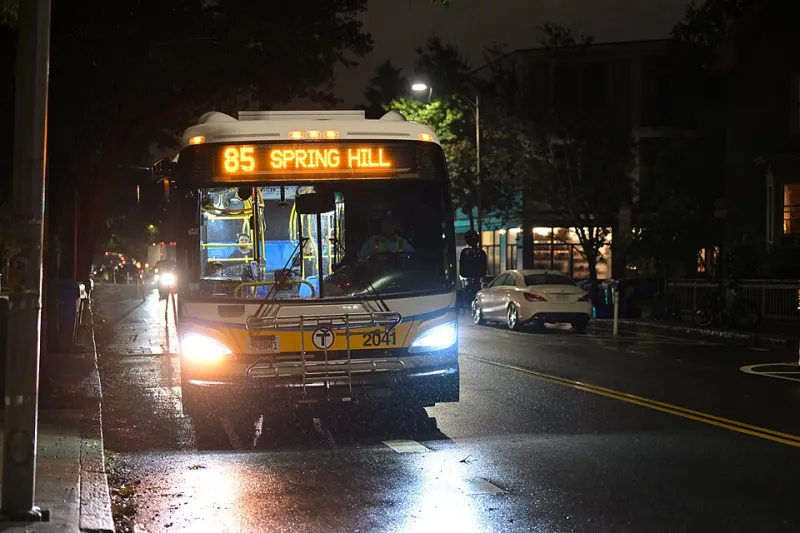
Photo: 4300streetcar, CC BY 4.0, via Wikimedia Commons
At 22:40 on a Thursday, the credits roll and the lights come up. A third of the audience stays for the Q&A; another third starts checking bus times; the rest drift towards the door. The film was 105 minutes. The evening was five hours. The last bus is at 23:07, and if you miss it, the night gets expensive. This is not a minor scheduling detail. It is the quiet filter that decides who can become a regular.
Where the city stops
Cambridge is compact, but its night transport is not evenly spread. The city centre venues are easiest: the Arts Picturehouse on St Andrew's Street, the smaller screens around the market, the bars and cafés that stay open. Cambridge Junction and the Leisure Park are a short cycle or a longer walk from the centre, and the last buses to the west and south tend to thin out earlier than the city centre services. Mill Road has its own rhythm, with buses and bikes, but the pavements are narrow and the lighting is patchy in places. The station is a twenty-five-minute walk from the Picturehouse if you are brisk, longer if you are not.
The 11:07 question
A 20:30 start is standard for a feature with a Q&A. Add a 15-minute introduction, a 105-minute film, a 20-minute conversation and a five-minute thank-you, and you are at 22:55. That is fine if you live ten minutes away and you are on a bike. It is not fine if you need the 23:07 bus and the bus stop is a ten-minute walk. It is worse if you have a child at home and a partner waiting, or if you are disabled and the walk to the stop is not straightforward. The programme says the film ends at 22:55; the audience hears 'you might not get home'.
The bike is not a neutral solution
Cambridge loves the bicycle, and for good reason. But the bike is not a universal fix. It excludes people who cannot cycle, people who do not own a bike, people who do not feel safe on unlit roads at night, and people who are carrying more than a bag. Cycle parking at venues is often full, and winter dark arrives early. A festival that plans only for cyclists is planning for a subset of its audience. The same goes for walking: the city centre is walkable, but 'walkable' at 6pm in July is not the same as 'walkable' at 11pm in November.
What transport-aware programming looks like
It starts with the running order. A weeknight feature should start at 18:30 or 19:00, not 20:30. A Q&A can happen before the film, or be kept to 15 minutes after it. A 90-minute film is a better late-slot choice than a 150-minute epic. If the film is long, put the interval at the natural break, not at the end. A 10-minute pause is enough for a comfort break; a 20-minute interval is a reason to leave.
It continues with information. Every listing should carry a 'last bus home' note, not as a warning but as a service. The box office should have printed timetables for the main routes and a QR code for the rest. A volunteer at the door can answer the question 'how do I get to the station?' without making it feel like a complaint. The venue can lend bike lights, or sell them at cost. It can organise a walking group to the station after the Q&A.
It ends with partnerships. A local taxi firm could offer a fixed fare for festival nights. A bus company could put on one extra service on a Saturday. A community transport scheme could be booked for disabled audience members. None of this is radical. It is the same logic as providing accessible seating: you design for the people who are not already served.
A transport-aware night in 2026
The Cambridge African Film Festival could pilot one transport-aware screening in 2026. Choose a 90-minute film, start at 18:45, put a 10-minute interval at the halfway point, and finish by 20:45. Publish the last bus times on the screen before the film. Offer free bike lights and a walking group to the station. Ask the audience, in a short survey, how they travelled and what would make a later night possible. If the pilot works, make it a template rather than a special event. The last bus home should not be the thing that decides who gets to see the film.