After the Applause: Why Festival Q&As Are Part of the Film

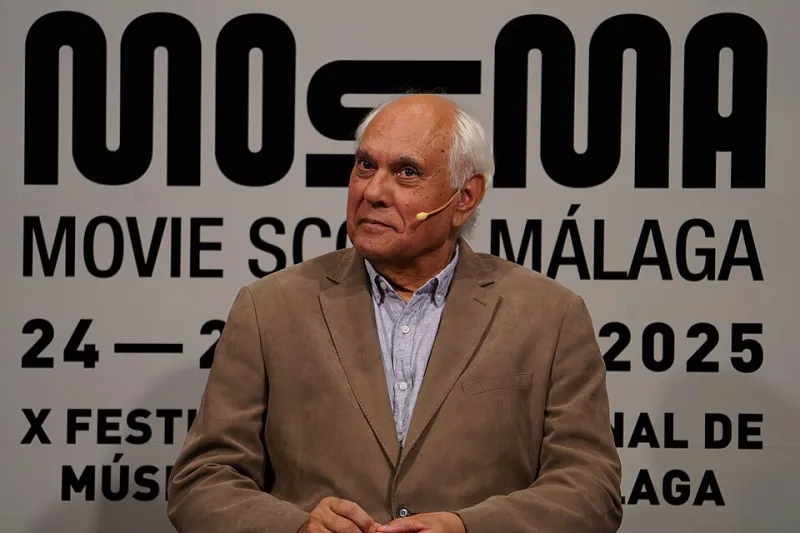
Photo: Rezankadro1, CC BY 4.0, via Wikimedia Commons
At a festival, the closing credits are not a full stop. They are a comma. The lights come up, the screen goes dark, and a different kind of cinema begins: the post-screening Q&A, the panel discussion, the slightly awkward but often brilliant conversation between a filmmaker and a room full of strangers.
At Cambridge African Film Festival, these conversations have become a signature rather than a bonus. They are not simply promotional add-ons for directors passing through town. They are part of how the festival works, and part of why audiences keep coming back.
The credits are only the halfway point
A film can only do so much on its own. It can surprise you, unsettle you, make you laugh in the wrong place, or leave you quiet on the walk home. But a Q&A can do something different: it can show you the wiring behind the story. You hear how a scene was shot in three hours because the light was going. You learn that the script changed after a conversation with a grandmother. You find out that the music was recorded in a bedroom in Dakar or a studio in Nairobi.
That behind-the-scenes detail is not trivia. It changes how you watch. Once you know that a long take was filmed on a phone because the budget would not stretch to a crane, the image stops looking 'raw' and starts looking resourceful. Once you hear a director explain why they refused to subtitle a particular song, the soundtrack becomes a political choice rather than background noise.
Cambridge African Film Festival has built a reputation for programming films that travel well beyond their countries of origin. The Q&A is where that travel becomes visible. A film from Senegal can land differently in a Cambridge screening room than it does at home, and the conversation is where those differences get aired rather than smoothed over.
Assumptions get tested in the room
UK audiences arrive at African cinema with a mixed bag of references. Some have watched a lot of African films. Some have watched almost none. Some are students, some are teachers, some are members of the local diaspora, and some have simply seen a poster and decided to try something new. That mix is one of the festival's strengths, but it also means the Q&A can be unpredictable.
A good host will not pretend that everyone in the room shares the same starting point. Instead, the conversation can gently test the assumptions that cling to African film in the UK: that it must be about poverty, that it must be 'educational', that it must explain itself to outsiders, that one film can speak for a continent. Filmmakers are often generous in the face of these assumptions, but they are also clear. They push back. They complicate. They say, politely but firmly, that this story is not a sociology report.
That is valuable work. It is also awkward work, because festival Q&As can go wrong. A question can be too long. A panel can drift. An audience member can ask a filmmaker to justify an entire continent's cinema. But the possibility of awkwardness is part of the point. A live conversation is not a polished press release. It is a room full of people trying to understand something together.
A room becomes a community
One of the quieter effects of the festival Q&A is social. Cambridge is a city of talks, seminars and reading groups, but not everyone finds it easy to walk into a room and start talking to strangers. A screening gives people a shared reference point. The Q&A gives them permission to speak.
You see it afterwards, in the foyer or on the walk down Mill Road: two people who have never met, arguing about the ending of a film, or recommending a director, or asking where they can find the soundtrack. The festival does not manufacture that community. It just makes space for it. In a city where cultural life can feel spread across colleges, departments and venues, that is no small thing.
It also matters for filmmakers. A Q&A is a chance to hear how a film lands with audiences who are not the intended first viewers. That feedback can be useful, surprising, or simply encouraging. For UK audiences, it is a chance to move from passive spectatorship to something more active. You are not just consuming a film. You are participating in its afterlife.
How to make the most of a festival Q&A
You do not need to be an expert to ask a good question. You just need to listen. A few practical suggestions:
- Arrive with curiosity rather than a speech. The best questions are usually short and specific.
- Ask about craft as well as meaning. How was a scene lit? Why that song? What was cut? Filmmakers often enjoy craft questions more than broad ones about 'the state of African cinema'.
- Listen to the whole panel before jumping in. A question that has already been answered can eat up time.
- If you are unsure, ask a follow-up rather than a new question. Follow-ups often go deeper.
- Stay for the last five minutes. Some of the most revealing answers come after the obvious questions have been used up.
- Talk to someone afterwards. The conversation does not have to end when the panel does.
The conversation continues after the festival
A festival is a temporary thing. The films leave, the guests go home, the posters come down. But the conversations can last longer. They can turn into reading, listening, arguing, and returning next year with a different set of questions.
That is why the Q&A matters as much as the screening. It turns a single film into an ongoing cultural exchange. In Cambridge, in 2026, that exchange is still one of the best reasons to buy a ticket.